Latest Updates
News, announcements, and health tips from Vireon Healthcare Centre.
Apr 13, 2026
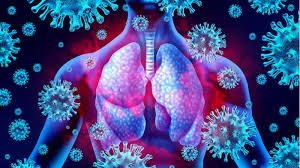
Pneumonia - Testing the online error of image not showing
Pneumonia is an infection in one or both of your lungs. It causes the tiny air sacs in your lungs, called alveoli, to become inflamed and fill with fluid or pus, which can make breathing difficult and painful. [1, 2, 3, 4, 5, 6]
## Common Symptoms
Symptoms can range from mild to life-threatening and often include: [7, 8]
* Cough: Often produces green, yellow, or even bloody mucus (phlegm).
* Fever and Chills: Often accompanied by sweating and shaking chills.
* Breathing Difficulties: Shortness of breath, rapid breathing, or shallow breaths.
* Chest Pain: A sharp or stabbing pain that gets worse when you breathe deeply or cough.
* Systemic Signs: Fatigue, low energy, loss of appetite, nausea, vomiting, or diarrhea.
* Confusion: Particularly common in older adults (aged 65+). [2, 3, 6, 8, 9, 10, 11]
## Main Causes
Pneumonia is typically classified by the type of germ that caused it: [12]
* Bacterial: Often caused by Streptococcus pneumoniae. It is usually more severe and requires treatment with [antibiotics](https://www.mayoclinic.org/diseases-conditions/pneumonia/diagnosis-treatment/drc-20354210).
* Viral: Caused by viruses like the flu, RSV, or [SARS-CoV-2 (COVID-19)](https://www.nhlbi.nih.gov/health/pneumonia/causes). It is often milder but can lead to secondary bacterial infections.
* Fungal: Most common in people with weakened immune systems or chronic health problems.
* Aspiration: Occurs when you inhale food, drink, vomit, or saliva into your lungs. [1, 13, 14, 15, 16, 17, 18, 19]
## Risk Factors
While anyone can get pneumonia, certain groups are at a higher risk for severe illness: [20, 21]
* Age: Children under 2 years old and adults 65 or older.
* Weakened Immune System: Due to conditions like HIV/AIDS, organ transplants, or chemotherapy.
* Chronic Conditions: Asthma, COPD, heart disease, or diabetes.
* Lifestyle: Smoking or excessive alcohol use, which can damage the lungs' natural defenses. [5, 11, 22, 23, 24, 25, 26, 27]
## Prevention & Care
* Vaccination: Vaccines are available for the flu, COVID-19, and pneumococcal disease through providers like [Mayo Clinic](https://www.mayoclinic.org/diseases-conditions/pneumonia/symptoms-causes/syc-20354204).
* Good Hygiene: Regular handwashing and avoiding contact with sick individuals.
* Home Recovery: For mild cases, rest, plenty of fluids, and over-the-counter pain relievers (like acetaminophen or ibuprofen) are often recommended.
* Medical Care: You should see a doctor if you have a persistent high fever, trouble breathing, or a cough that produces pus or blood. [6, 11, 13, 18, 26, 28, 29, 30]
Would you like to know about the specific vaccines available or the diagnostic tests doctors use to confirm pneumonia?
[1] [https://my.clevelandclinic.org](https://my.clevelandclinic.org/health/diseases/4471-pneumonia)
[2] [https://www.hopkinsmedicine.org](https://www.hopkinsmedicine.org/health/conditions-and-diseases/pneumonia)
[3] [https://www.cdc.gov](https://www.cdc.gov/pneumonia/about/index.html)
[4] [https://www.who.int](https://www.who.int/news-room/fact-sheets/detail/pneumonia)
[5] [https://www.medicalnewstoday.com](https://www.medicalnewstoday.com/articles/151632)
[6] [https://www.youtube.com](https://www.youtube.com/watch?v=GNjzapyrEN0&t=2)
[7] [https://www.mayoclinic.org](https://www.mayoclinic.org/diseases-conditions/pneumonia/symptoms-causes/syc-20354204)
[8] [https://www.healthline.com](https://www.healthline.com/health/pneumonia)
[9] [https://www.lung.org](https://www.lung.org/lung-health-diseases/lung-disease-lookup/pneumonia/symptoms-and-diagnosis)
[10] [https://en.wikipedia.org](https://en.wikipedia.org/wiki/Pneumonia)
[11] [https://www.youtube.com](https://www.youtube.com/watch?v=gPOFtuDmjhI&t=4)
[12] [https://www.ajhospital.in](https://www.ajhospital.in/news/pneumonia-causes-symptoms-prevention-treatment#:~:text=Since%20the%20germs%20causing%20lung%20infections%20are,classified%20according%20to%20the%20types%20of%20germs.)
[13] [https://www.mayoclinic.org](https://www.mayoclinic.org/diseases-conditions/pneumonia/diagnosis-treatment/drc-20354210)
[14] [https://www.lung.org](https://www.lung.org/lung-health-diseases/lung-disease-lookup/pneumonia/what-causes-pneumonia)
[15] [https://www.mayoclinic.org](https://www.mayoclinic.org/diseases-conditions/pneumonia/symptoms-causes/syc-20354204)
[16] [https://medlineplus.gov](https://medlineplus.gov/pneumonia.html)
[17] [https://www.nhlbi.nih.gov](https://www.nhlbi.nih.gov/health/pneumonia/causes)
[18] [https://www.lung.org](https://www.lung.org/blog/about-pneumonia-things-to-know)
[19] [https://emedicine.medscape.com](https://emedicine.medscape.com/article/300157-overview#:~:text=Aspiration%20pneumonia%20develops%20after%20the%20inhalation%20of,are%20at%20increased%20risk%20for%20oropharyngeal%20aspiration.)
[20] [https://www.mayoclinic.org](https://www.mayoclinic.org/diseases-conditions/pneumonia/symptoms-causes/syc-20354204)
[21] [https://www.lung.org](https://www.lung.org/lung-health-diseases/lung-disease-lookup/pneumonia/learn-about-pneumonia#:~:text=Pneumonia%20can%20cause%20anyone%20to%20have%20mild,immune%20systems%2C%20and%20individuals%20who%20smoke%20cigarettes.)
[22] [https://www.unicef.org](https://www.unicef.org/stories/childhood-pneumonia-explained)
[23] [https://www.nationwidechildrens.org](https://www.nationwidechildrens.org/conditions/pneumonia)
[24] [https://www.lung.org](https://www.lung.org/lung-health-diseases/lung-disease-lookup/pneumonia/learn-about-pneumonia)
[25] [https://www.ncbi.nlm.nih.gov](https://www.ncbi.nlm.nih.gov/books/NBK534295/)
[26] [https://www.who.int](https://www.who.int/health-topics/pneumonia)
[27] [https://www.webmd.com](https://www.webmd.com/lung/understanding-pneumonia-basics)
[28] [https://www.nhs.uk](https://www.nhs.uk/conditions/pneumonia/)
[29] [https://www.nhlbi.nih.gov](https://www.nhlbi.nih.gov/health/pneumonia)
[30] [https://www.lung.org](https://www.lung.org/lung-health-diseases/lung-disease-lookup/pneumonia)
## Common Symptoms
Symptoms can range from mild to life-threatening and often include: [7, 8]
* Cough: Often produces green, yellow, or even bloody mucus (phlegm).
* Fever and Chills: Often accompanied by sweating and shaking chills.
* Breathing Difficulties: Shortness of breath, rapid breathing, or shallow breaths.
* Chest Pain: A sharp or stabbing pain that gets worse when you breathe deeply or cough.
* Systemic Signs: Fatigue, low energy, loss of appetite, nausea, vomiting, or diarrhea.
* Confusion: Particularly common in older adults (aged 65+). [2, 3, 6, 8, 9, 10, 11]
## Main Causes
Pneumonia is typically classified by the type of germ that caused it: [12]
* Bacterial: Often caused by Streptococcus pneumoniae. It is usually more severe and requires treatment with [antibiotics](https://www.mayoclinic.org/diseases-conditions/pneumonia/diagnosis-treatment/drc-20354210).
* Viral: Caused by viruses like the flu, RSV, or [SARS-CoV-2 (COVID-19)](https://www.nhlbi.nih.gov/health/pneumonia/causes). It is often milder but can lead to secondary bacterial infections.
* Fungal: Most common in people with weakened immune systems or chronic health problems.
* Aspiration: Occurs when you inhale food, drink, vomit, or saliva into your lungs. [1, 13, 14, 15, 16, 17, 18, 19]
## Risk Factors
While anyone can get pneumonia, certain groups are at a higher risk for severe illness: [20, 21]
* Age: Children under 2 years old and adults 65 or older.
* Weakened Immune System: Due to conditions like HIV/AIDS, organ transplants, or chemotherapy.
* Chronic Conditions: Asthma, COPD, heart disease, or diabetes.
* Lifestyle: Smoking or excessive alcohol use, which can damage the lungs' natural defenses. [5, 11, 22, 23, 24, 25, 26, 27]
## Prevention & Care
* Vaccination: Vaccines are available for the flu, COVID-19, and pneumococcal disease through providers like [Mayo Clinic](https://www.mayoclinic.org/diseases-conditions/pneumonia/symptoms-causes/syc-20354204).
* Good Hygiene: Regular handwashing and avoiding contact with sick individuals.
* Home Recovery: For mild cases, rest, plenty of fluids, and over-the-counter pain relievers (like acetaminophen or ibuprofen) are often recommended.
* Medical Care: You should see a doctor if you have a persistent high fever, trouble breathing, or a cough that produces pus or blood. [6, 11, 13, 18, 26, 28, 29, 30]
Would you like to know about the specific vaccines available or the diagnostic tests doctors use to confirm pneumonia?
[1] [https://my.clevelandclinic.org](https://my.clevelandclinic.org/health/diseases/4471-pneumonia)
[2] [https://www.hopkinsmedicine.org](https://www.hopkinsmedicine.org/health/conditions-and-diseases/pneumonia)
[3] [https://www.cdc.gov](https://www.cdc.gov/pneumonia/about/index.html)
[4] [https://www.who.int](https://www.who.int/news-room/fact-sheets/detail/pneumonia)
[5] [https://www.medicalnewstoday.com](https://www.medicalnewstoday.com/articles/151632)
[6] [https://www.youtube.com](https://www.youtube.com/watch?v=GNjzapyrEN0&t=2)
[7] [https://www.mayoclinic.org](https://www.mayoclinic.org/diseases-conditions/pneumonia/symptoms-causes/syc-20354204)
[8] [https://www.healthline.com](https://www.healthline.com/health/pneumonia)
[9] [https://www.lung.org](https://www.lung.org/lung-health-diseases/lung-disease-lookup/pneumonia/symptoms-and-diagnosis)
[10] [https://en.wikipedia.org](https://en.wikipedia.org/wiki/Pneumonia)
[11] [https://www.youtube.com](https://www.youtube.com/watch?v=gPOFtuDmjhI&t=4)
[12] [https://www.ajhospital.in](https://www.ajhospital.in/news/pneumonia-causes-symptoms-prevention-treatment#:~:text=Since%20the%20germs%20causing%20lung%20infections%20are,classified%20according%20to%20the%20types%20of%20germs.)
[13] [https://www.mayoclinic.org](https://www.mayoclinic.org/diseases-conditions/pneumonia/diagnosis-treatment/drc-20354210)
[14] [https://www.lung.org](https://www.lung.org/lung-health-diseases/lung-disease-lookup/pneumonia/what-causes-pneumonia)
[15] [https://www.mayoclinic.org](https://www.mayoclinic.org/diseases-conditions/pneumonia/symptoms-causes/syc-20354204)
[16] [https://medlineplus.gov](https://medlineplus.gov/pneumonia.html)
[17] [https://www.nhlbi.nih.gov](https://www.nhlbi.nih.gov/health/pneumonia/causes)
[18] [https://www.lung.org](https://www.lung.org/blog/about-pneumonia-things-to-know)
[19] [https://emedicine.medscape.com](https://emedicine.medscape.com/article/300157-overview#:~:text=Aspiration%20pneumonia%20develops%20after%20the%20inhalation%20of,are%20at%20increased%20risk%20for%20oropharyngeal%20aspiration.)
[20] [https://www.mayoclinic.org](https://www.mayoclinic.org/diseases-conditions/pneumonia/symptoms-causes/syc-20354204)
[21] [https://www.lung.org](https://www.lung.org/lung-health-diseases/lung-disease-lookup/pneumonia/learn-about-pneumonia#:~:text=Pneumonia%20can%20cause%20anyone%20to%20have%20mild,immune%20systems%2C%20and%20individuals%20who%20smoke%20cigarettes.)
[22] [https://www.unicef.org](https://www.unicef.org/stories/childhood-pneumonia-explained)
[23] [https://www.nationwidechildrens.org](https://www.nationwidechildrens.org/conditions/pneumonia)
[24] [https://www.lung.org](https://www.lung.org/lung-health-diseases/lung-disease-lookup/pneumonia/learn-about-pneumonia)
[25] [https://www.ncbi.nlm.nih.gov](https://www.ncbi.nlm.nih.gov/books/NBK534295/)
[26] [https://www.who.int](https://www.who.int/health-topics/pneumonia)
[27] [https://www.webmd.com](https://www.webmd.com/lung/understanding-pneumonia-basics)
[28] [https://www.nhs.uk](https://www.nhs.uk/conditions/pneumonia/)
[29] [https://www.nhlbi.nih.gov](https://www.nhlbi.nih.gov/health/pneumonia)
[30] [https://www.lung.org](https://www.lung.org/lung-health-diseases/lung-disease-lookup/pneumonia)
Read Full Story

Mar 28, 2026
Pneumonia - What you need to know about it.
Pneumonia is a serious infection of the lungs that causes inflammation of the air sacs (alveoli). These air sacs may fill with fluid or pus, making breathing difficult.
Causes of Pneumonia
Pneumonia can be caused by different microorganisms:
Bacteria (most common)
Viruses (e.g., flu viruses)
Fungi (less common, but serious)
The most common bacterial cause is Streptococcus pneumoniae.
Types of Pneumonia
Bacterial pneumonia – severe, often sudden
Viral pneumonia – usually milder but can worsen
Fungal pneumonia – affects people with weak immune systems
Aspiration pneumonia – caused by inhaling food, liquid, or vomit
Symptoms
Common signs include:
Persistent cough (with or without mucus)
Chest pain (especially when breathing or coughing)
Fever and chills
Shortness of breath
Fatigue and weakness
Rapid breathing
In severe cases: confusion or bluish lips (lack of oxygen)
Transmission
Pneumonia can spread through:
Airborne droplets (from coughing or sneezing)
Direct contact with infected individuals
Poor hygiene and overcrowded environments
Risk Factors
People more at risk include:
Children under 5 years
Elderly people (65+)
People with weakened immune systems
Smokers
Individuals with chronic illnesses (e.g., asthma, diabetes)
Diagnosis
Doctors may use:
Physical examination (listening to lungs)
Chest X-ray
Blood tests
Sputum tests
Treatment
Treatment depends on the cause:
Bacterial pneumonia → antibiotics
Viral pneumonia → rest, fluids, antiviral drugs (if needed)
Fungal pneumonia → antifungal medication
Supportive care includes:
Plenty of rest
Drinking fluids
Oxygen therapy (in severe cases)
Prevention
Vaccination (e.g., pneumococcal vaccine)
Good hygiene (washing hands regularly)
Avoid smoking
Covering mouth when coughing/sneezing
Proper nutrition
Complications
If untreated, pneumonia may lead to:
Lung abscess
Respiratory failure
Spread of infection to blood (sepsis)
Death (in severe cases)
Conclusion
Pneumonia is a potentially life-threatening lung infection but can be prevented and treated effectively when detected early. Maintaining good hygiene and seeking medical attention promptly are key to reducing its impact.
Causes of Pneumonia
Pneumonia can be caused by different microorganisms:
Bacteria (most common)
Viruses (e.g., flu viruses)
Fungi (less common, but serious)
The most common bacterial cause is Streptococcus pneumoniae.
Types of Pneumonia
Bacterial pneumonia – severe, often sudden
Viral pneumonia – usually milder but can worsen
Fungal pneumonia – affects people with weak immune systems
Aspiration pneumonia – caused by inhaling food, liquid, or vomit
Symptoms
Common signs include:
Persistent cough (with or without mucus)
Chest pain (especially when breathing or coughing)
Fever and chills
Shortness of breath
Fatigue and weakness
Rapid breathing
In severe cases: confusion or bluish lips (lack of oxygen)
Transmission
Pneumonia can spread through:
Airborne droplets (from coughing or sneezing)
Direct contact with infected individuals
Poor hygiene and overcrowded environments
Risk Factors
People more at risk include:
Children under 5 years
Elderly people (65+)
People with weakened immune systems
Smokers
Individuals with chronic illnesses (e.g., asthma, diabetes)
Diagnosis
Doctors may use:
Physical examination (listening to lungs)
Chest X-ray
Blood tests
Sputum tests
Treatment
Treatment depends on the cause:
Bacterial pneumonia → antibiotics
Viral pneumonia → rest, fluids, antiviral drugs (if needed)
Fungal pneumonia → antifungal medication
Supportive care includes:
Plenty of rest
Drinking fluids
Oxygen therapy (in severe cases)
Prevention
Vaccination (e.g., pneumococcal vaccine)
Good hygiene (washing hands regularly)
Avoid smoking
Covering mouth when coughing/sneezing
Proper nutrition
Complications
If untreated, pneumonia may lead to:
Lung abscess
Respiratory failure
Spread of infection to blood (sepsis)
Death (in severe cases)
Conclusion
Pneumonia is a potentially life-threatening lung infection but can be prevented and treated effectively when detected early. Maintaining good hygiene and seeking medical attention promptly are key to reducing its impact.
Read Full Story

Mar 28, 2026
AAA
BBB
Read Full Story
Mar 28, 2026
hdf jycdtdc fcyv
reeherahaehr rgerhe
Read Full Story